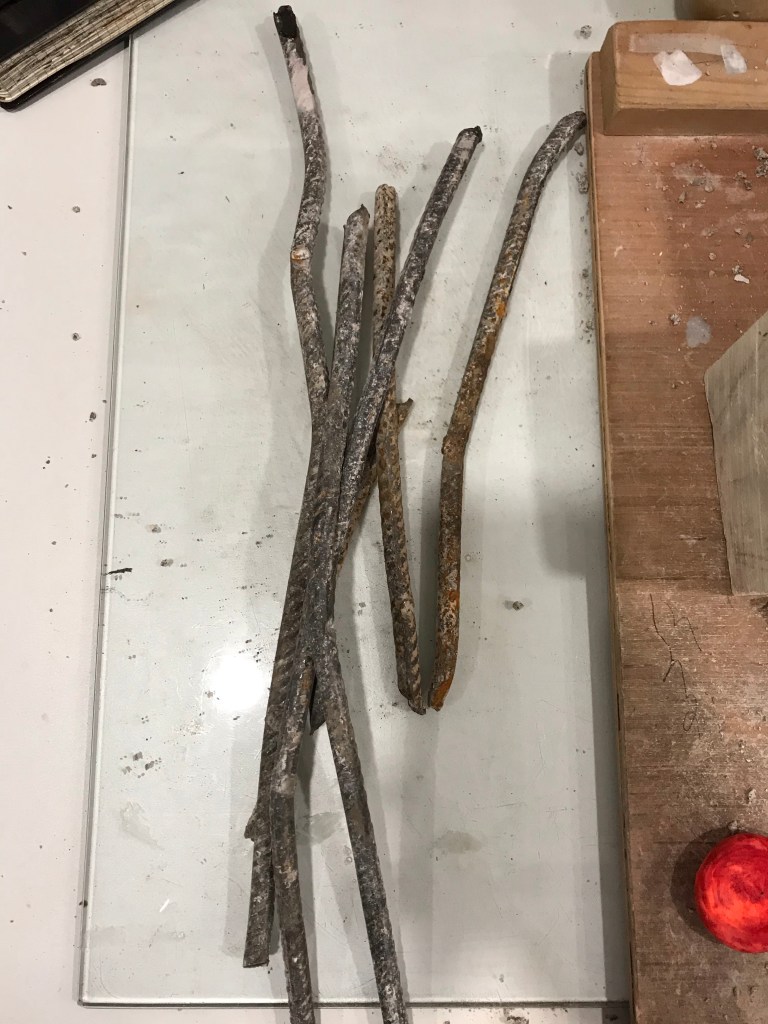
Sometimes it is the small things in life that makes one’s day. Today it is rebar scraps. While in Altrincham an area of road was being dug up, the team were digging up all this rebar and breaking it up in to small pieces, I reached under the protective fencing and grabbed a few bits. The workmen asked what I was doing so I told them at which point they gave me some more pieces so happy days for me especially when I have started to run down in skip resources. . . .
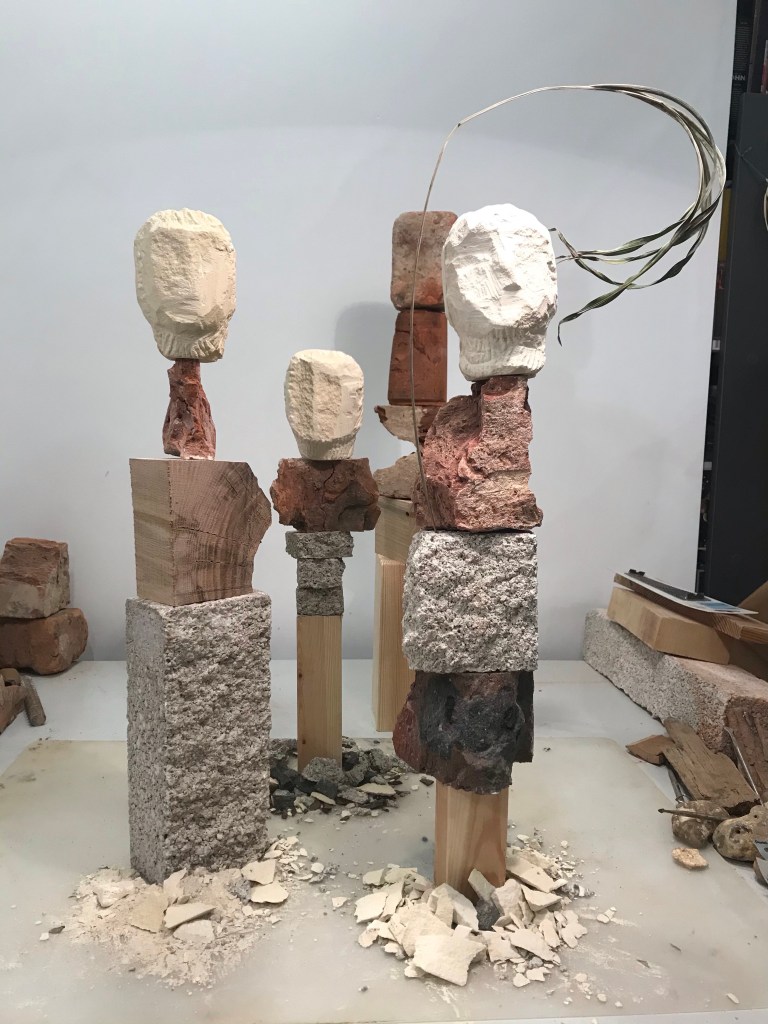
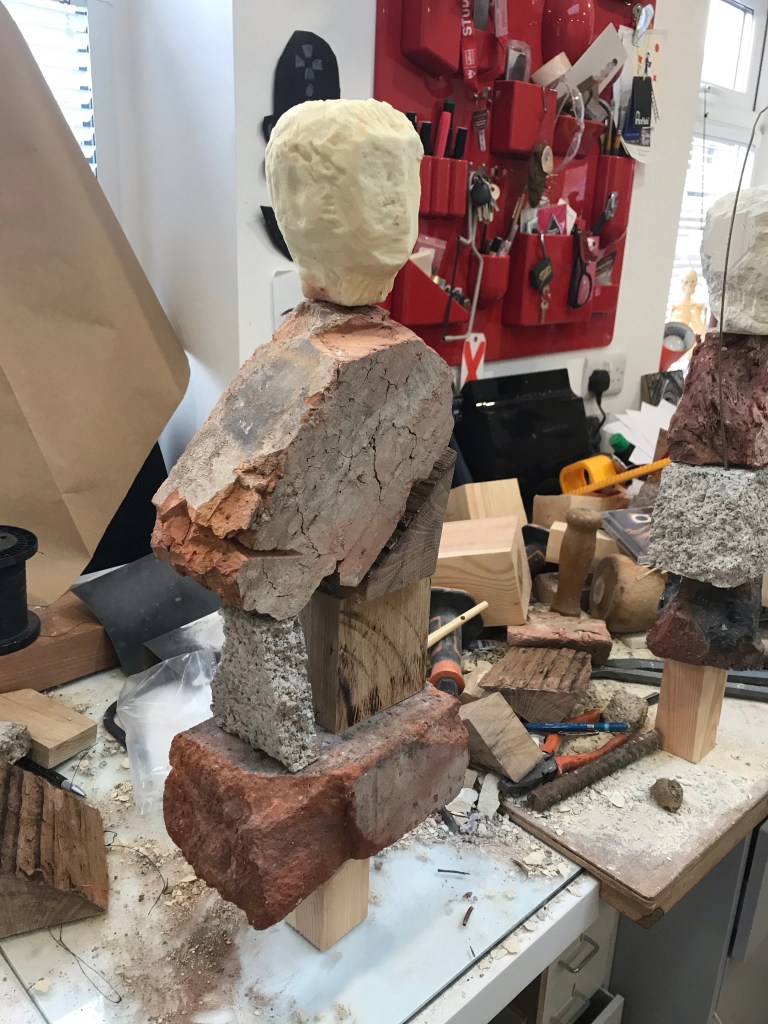
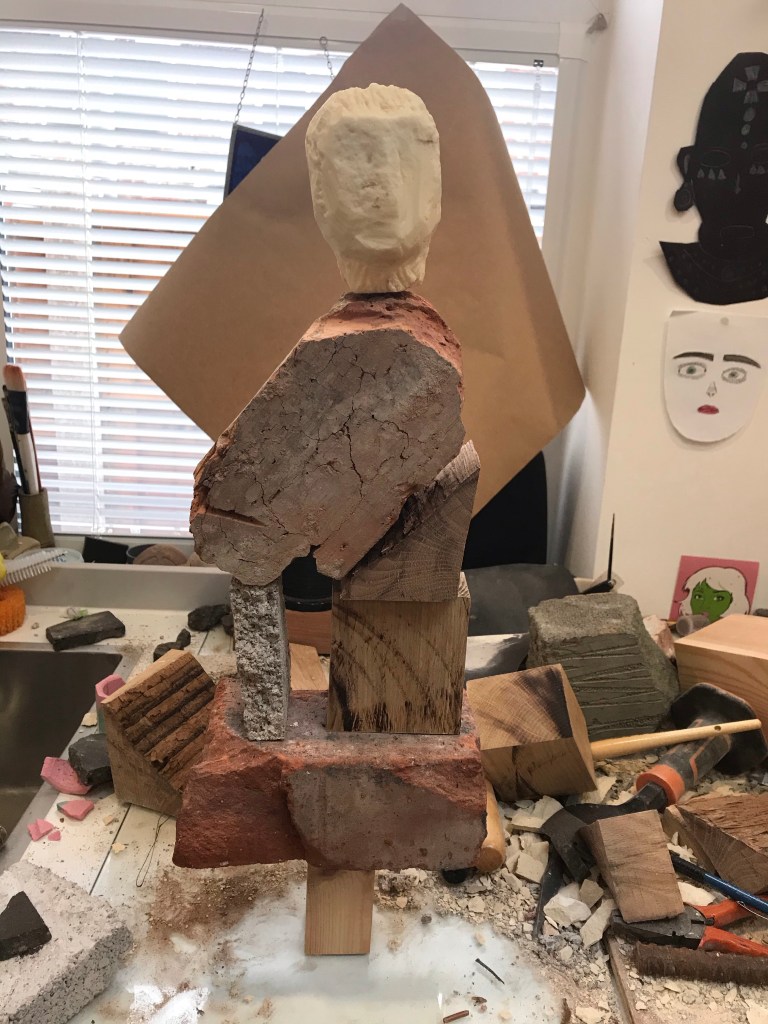
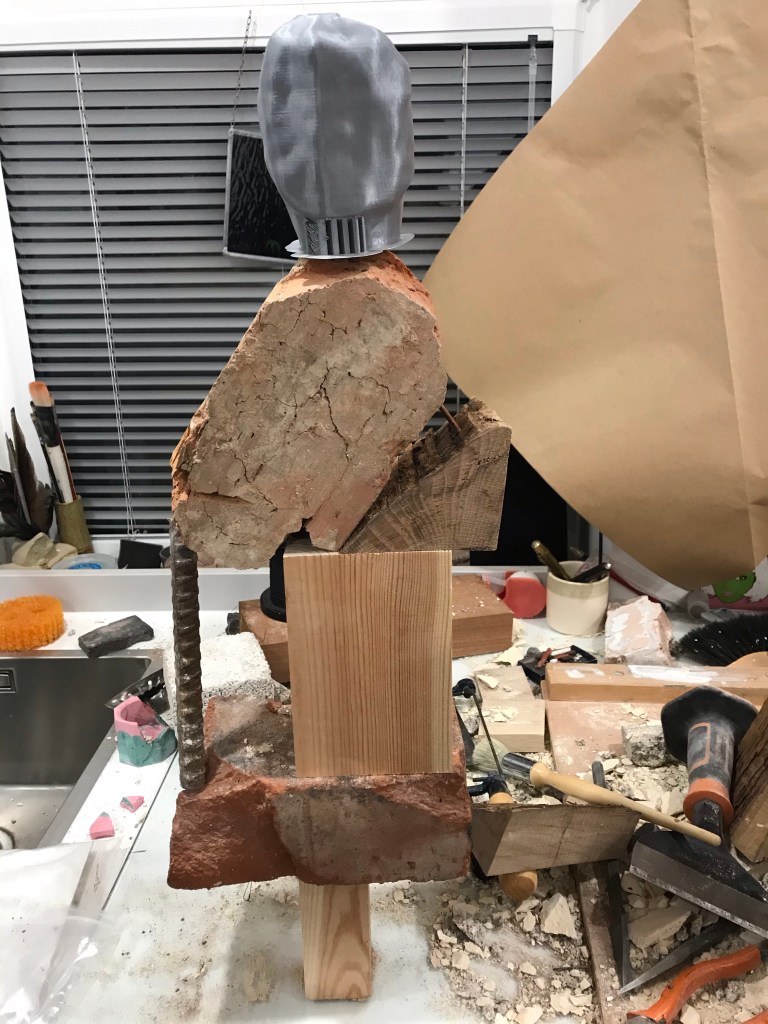
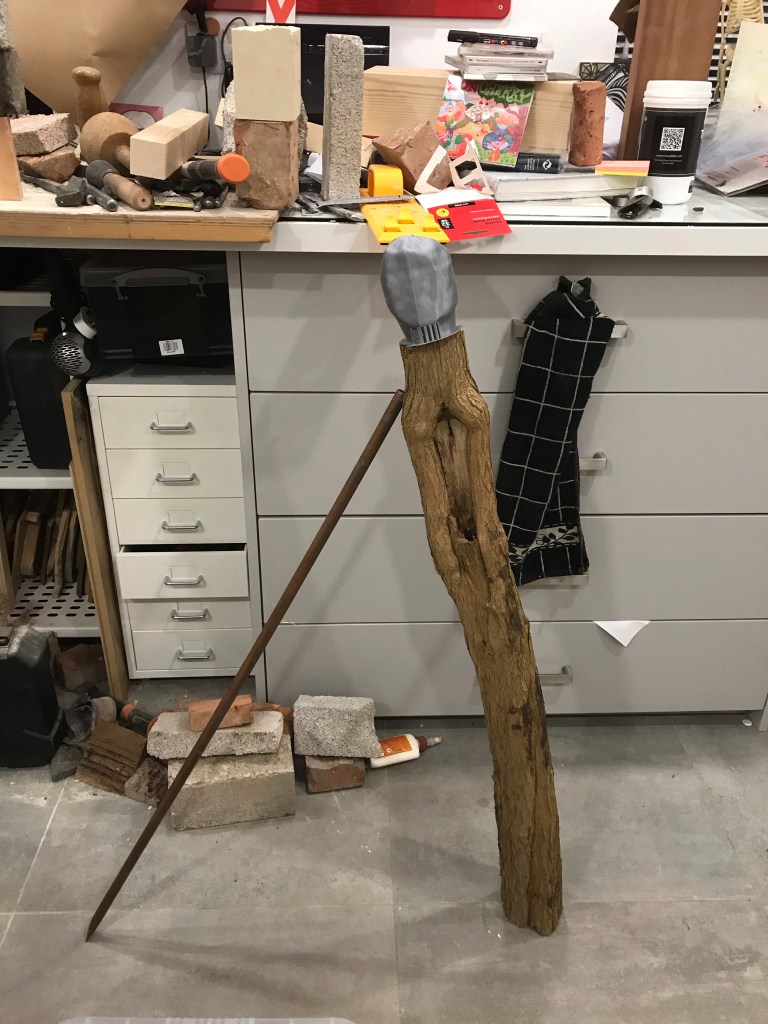
So this sculpture has changed again but I feel that this will be its final iteration for now. The only part that is keeping it from destroying itself is the wooden wedge. Talking about destruction this toppled down this morning causing a domino chain reaction of other sculptures going over, if only I had filmed it. Also the head is a resin cast which I am rather happy with . Just look at me and I will crumble . . Mixed media brick, oak , concrete block and resin . . .
So today was another busy day at Uni, it feels each week like I’m an old dog learning new tricks. So this weeks new trick was to learn how to make a silicone mould and cast in it. So here is the break down
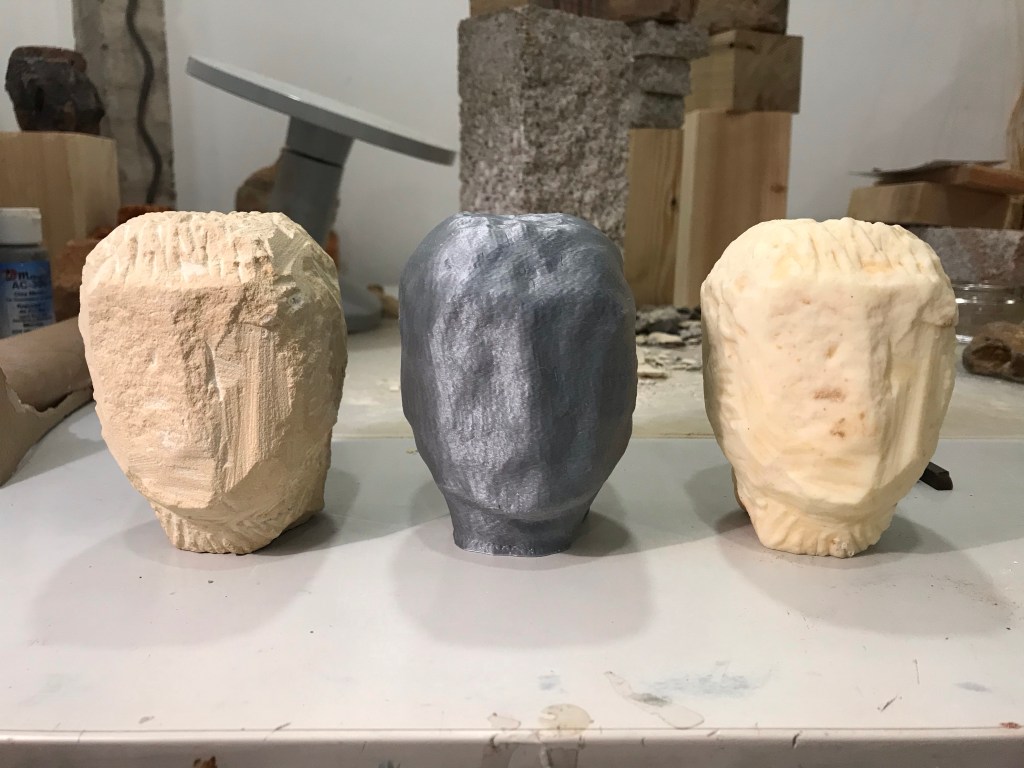
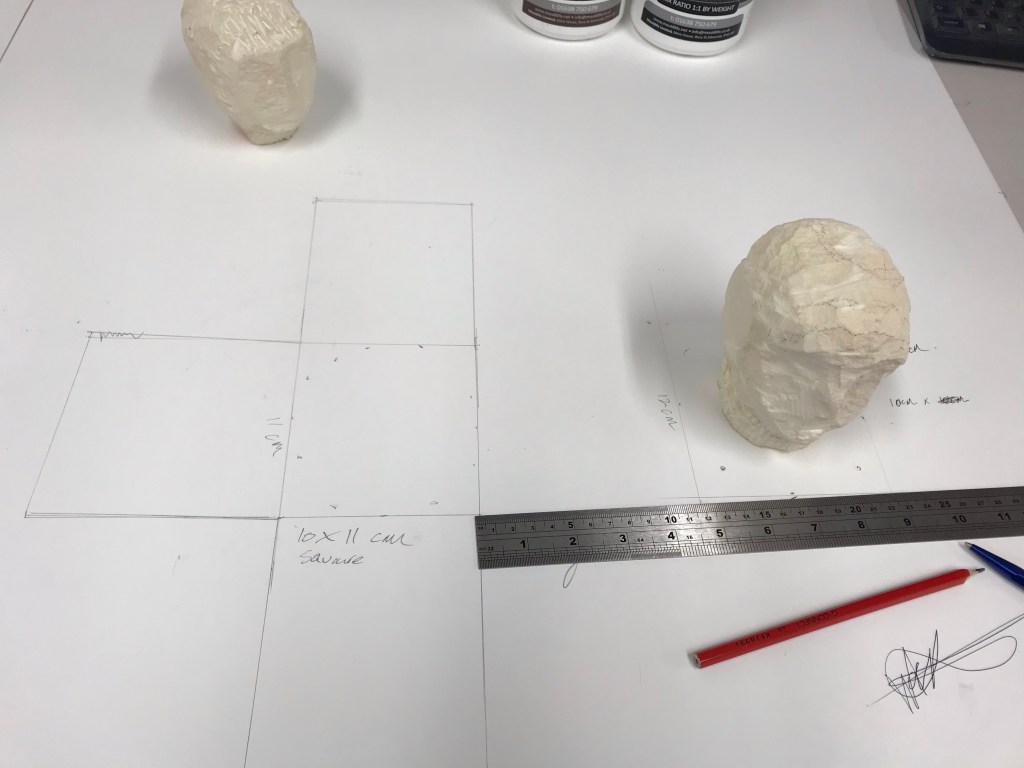
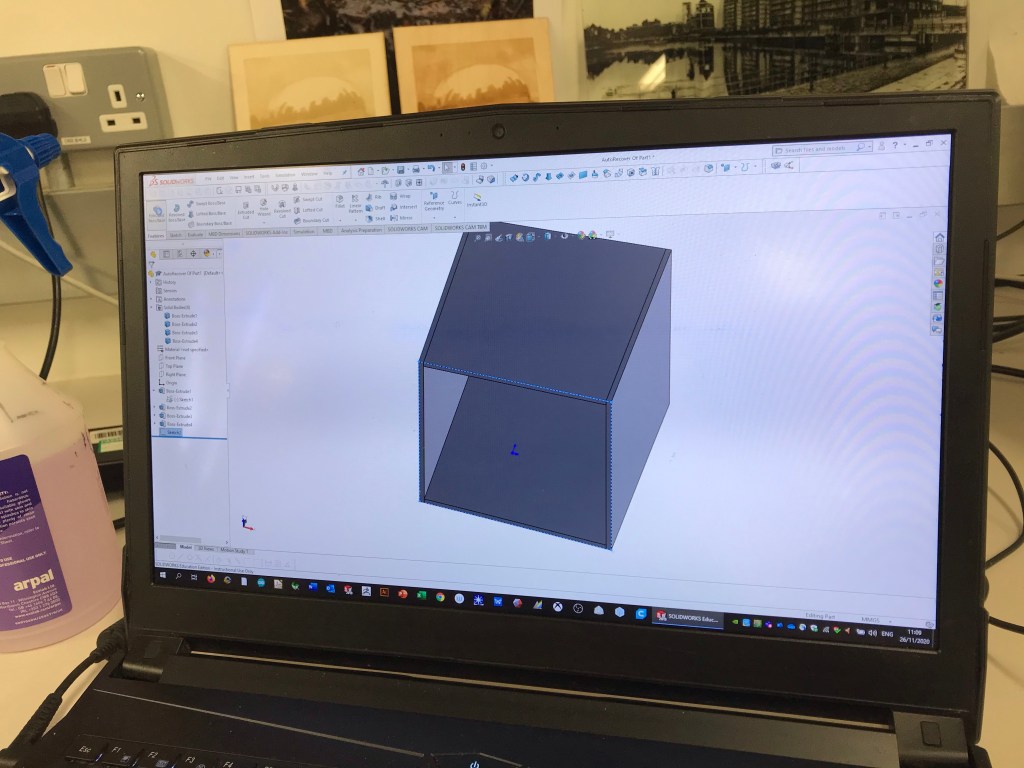
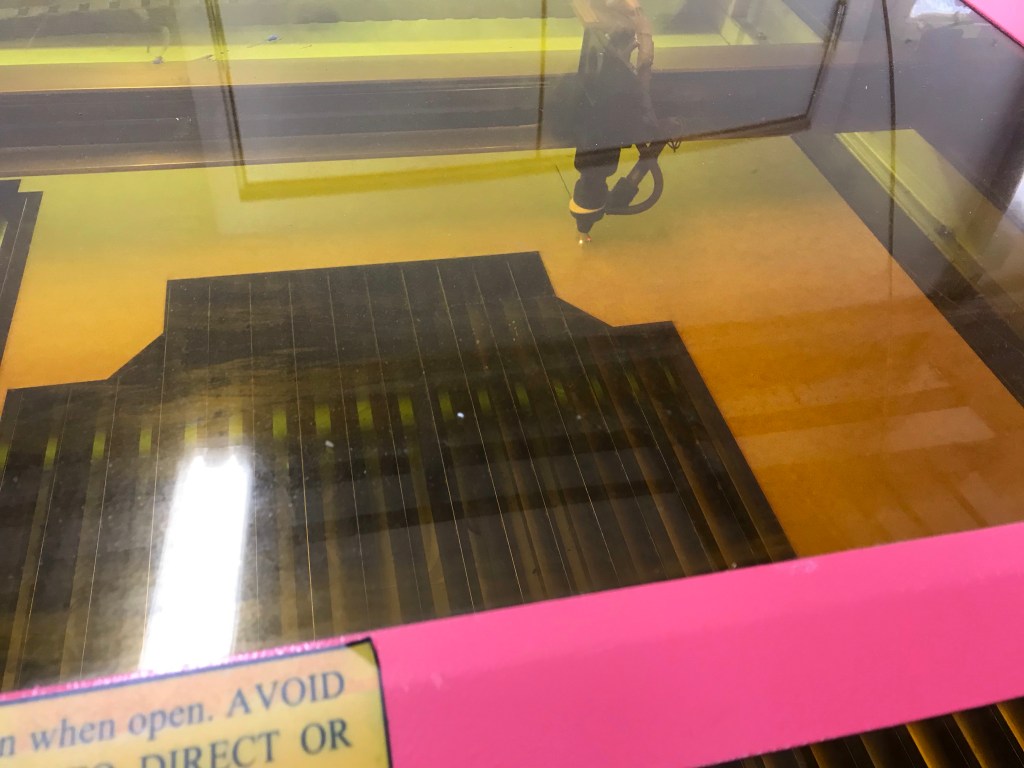
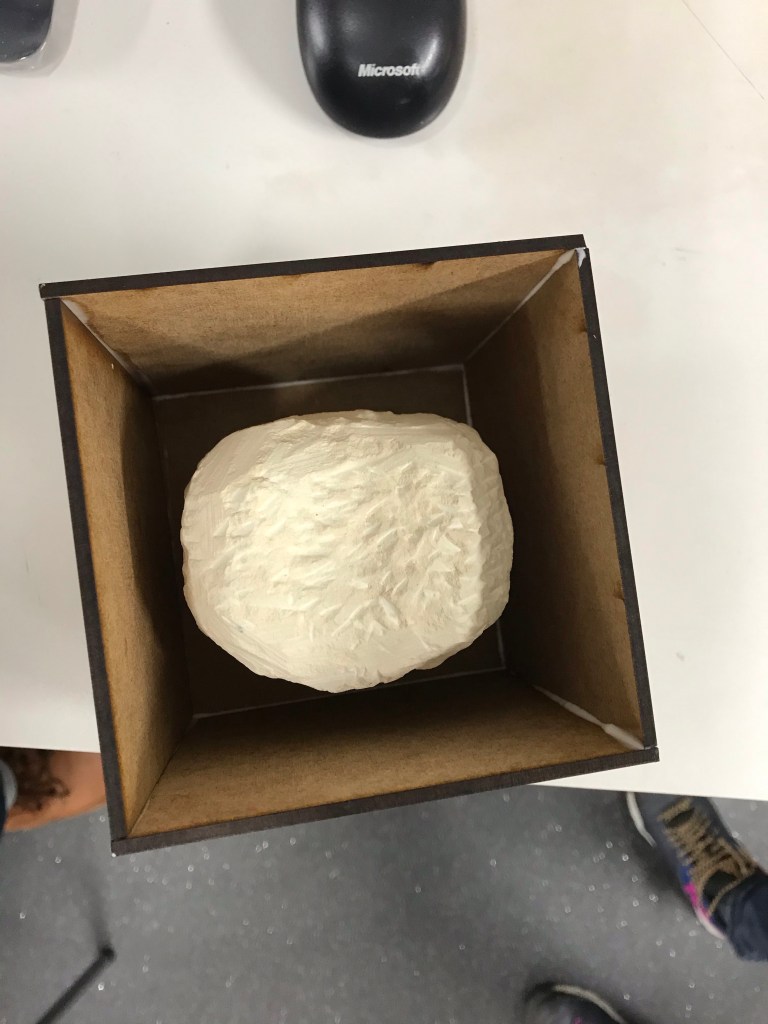
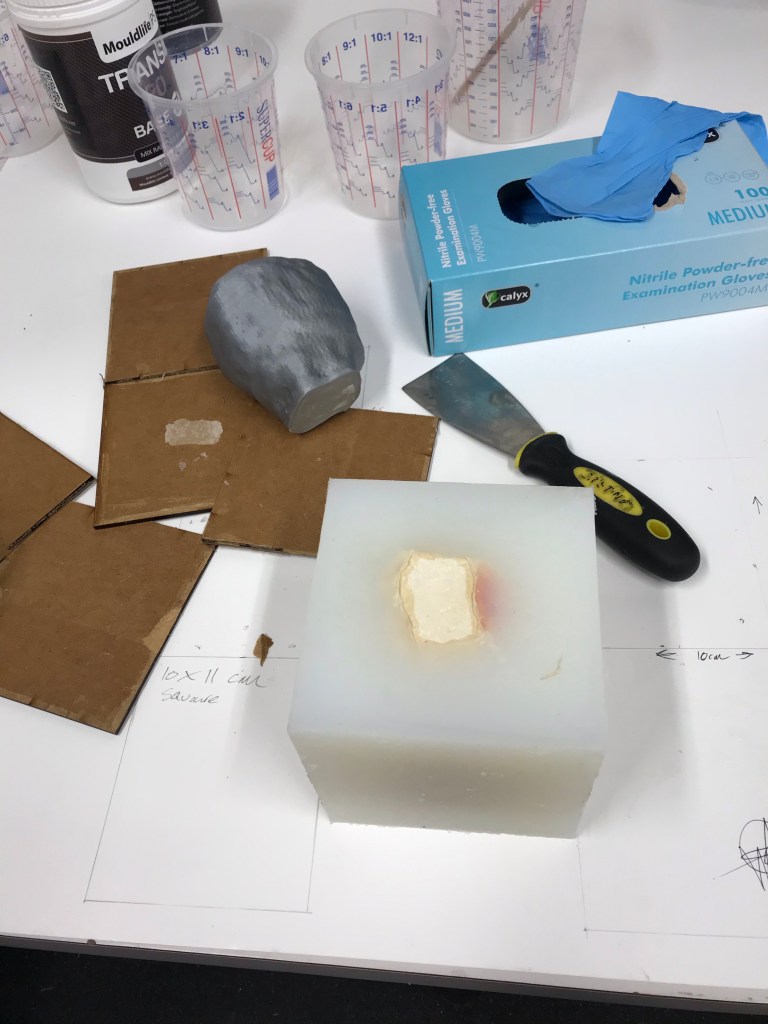
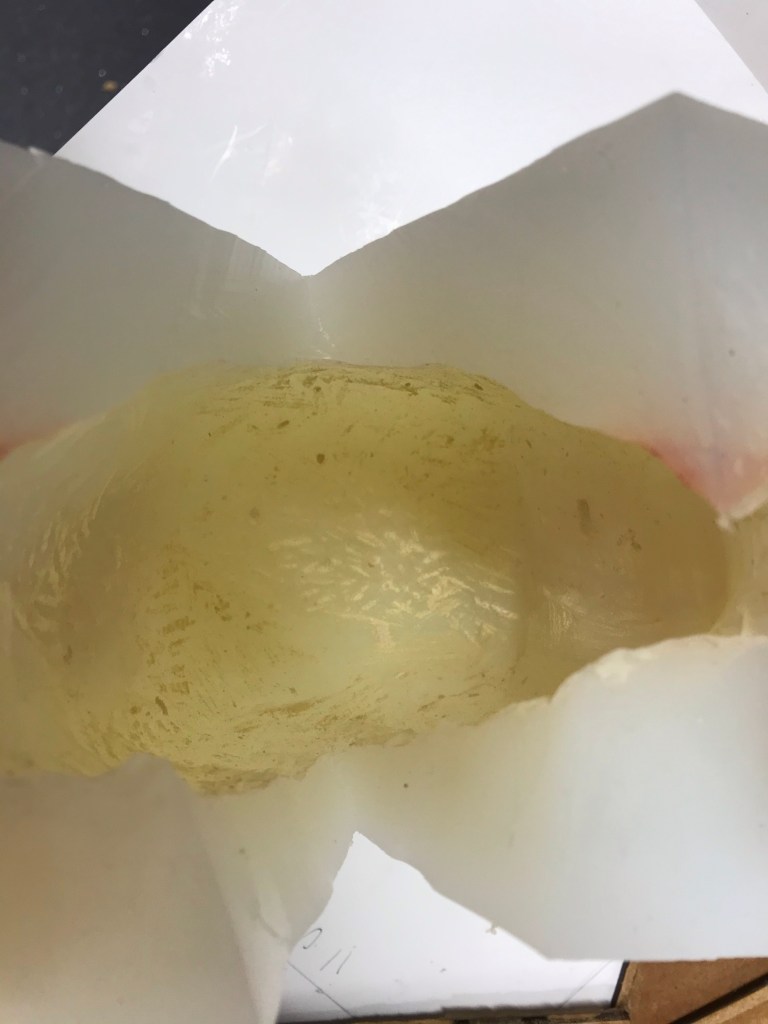
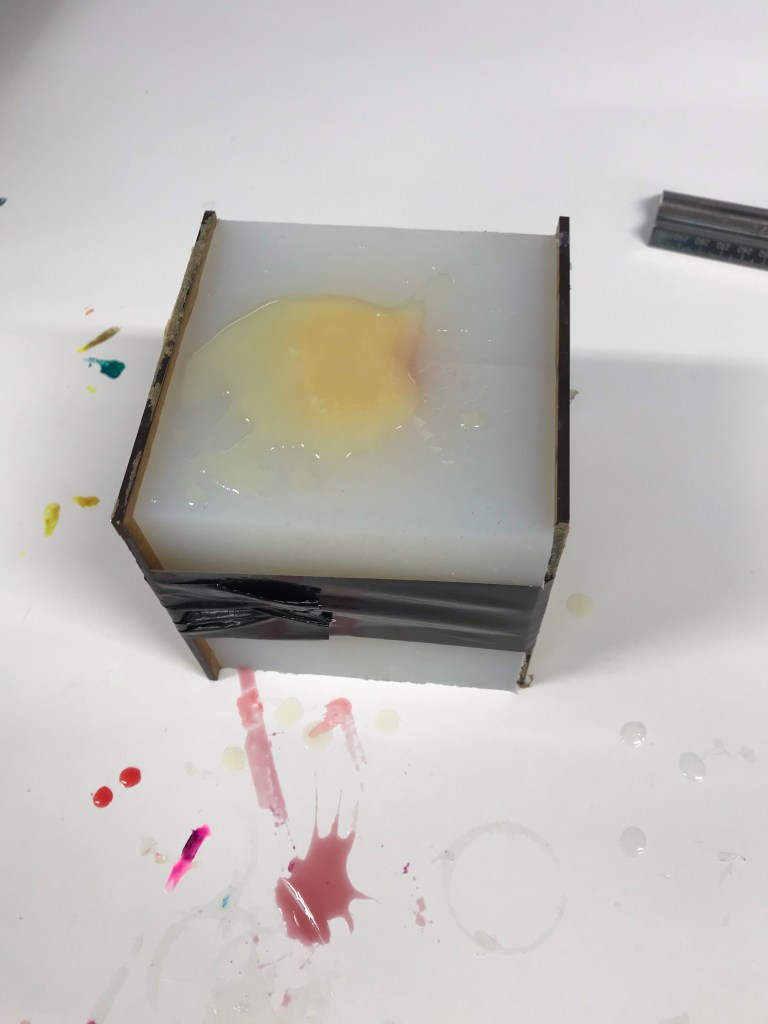
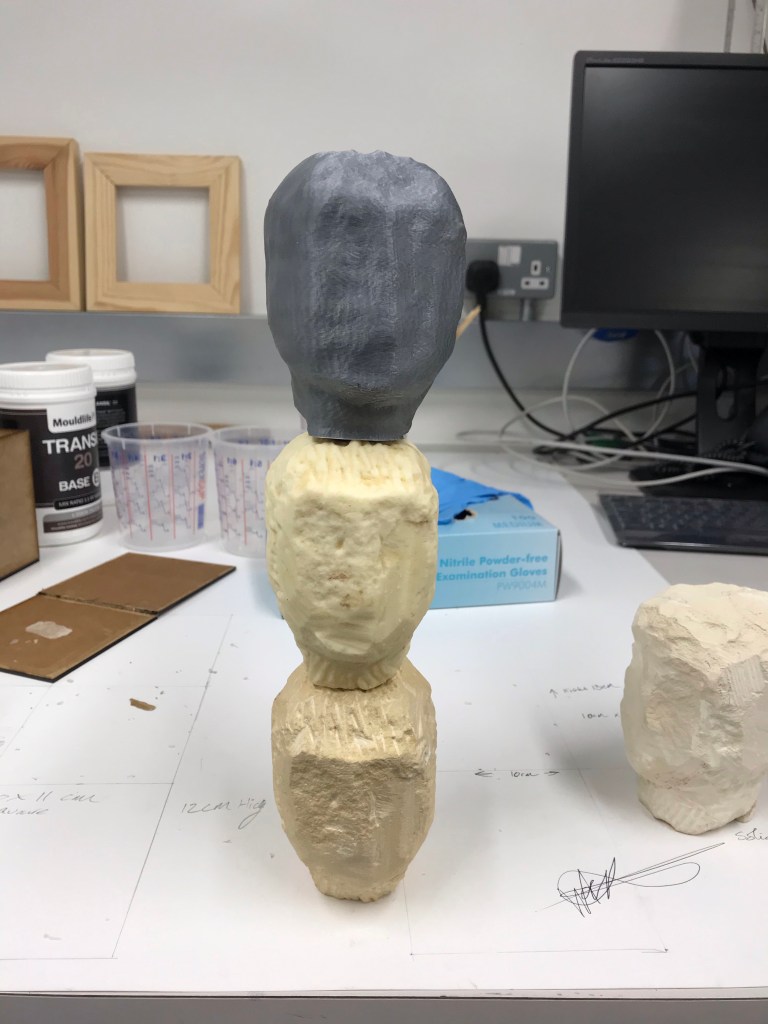
First measure the volume for the box that the silicone will be poured in to. Convert these measurements in to a digital structure in the Solid Works program so that this information can be sent to a laser cutter . Laser cut box panels. This saves so much time Glue the panels together and place model in my case a carved stone head in the box. Mix the silicone and pour it in to the box and wait for it to go off. Once it is solid release it from the box. Cut splits in to the sides of the mould and remove the stone head. The inside of the mould had limestone dust residue left in it. Strap mould and pour the mixed resin inCan you guess which is the resin head?
So I actually learnt a lot from doing this as I have wanted to learn how to make silicone moulds for some years, as the possibilities of what you can cast in them is pretty varied.
This is al very much a step in a right direction so as they say watch this space.
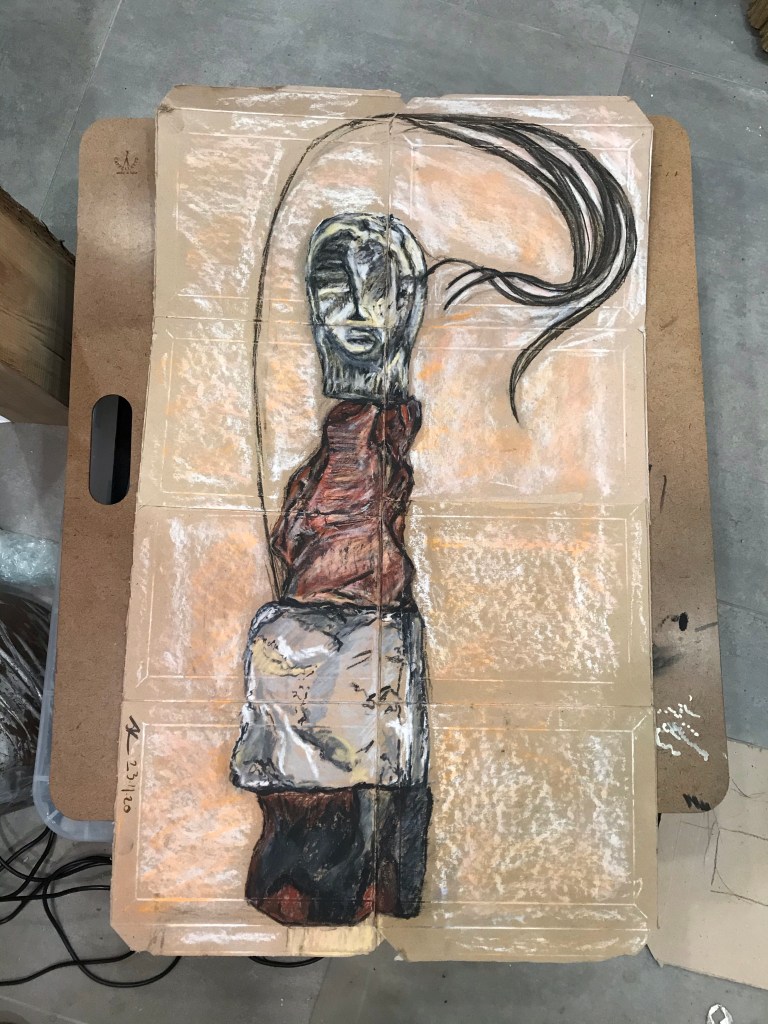
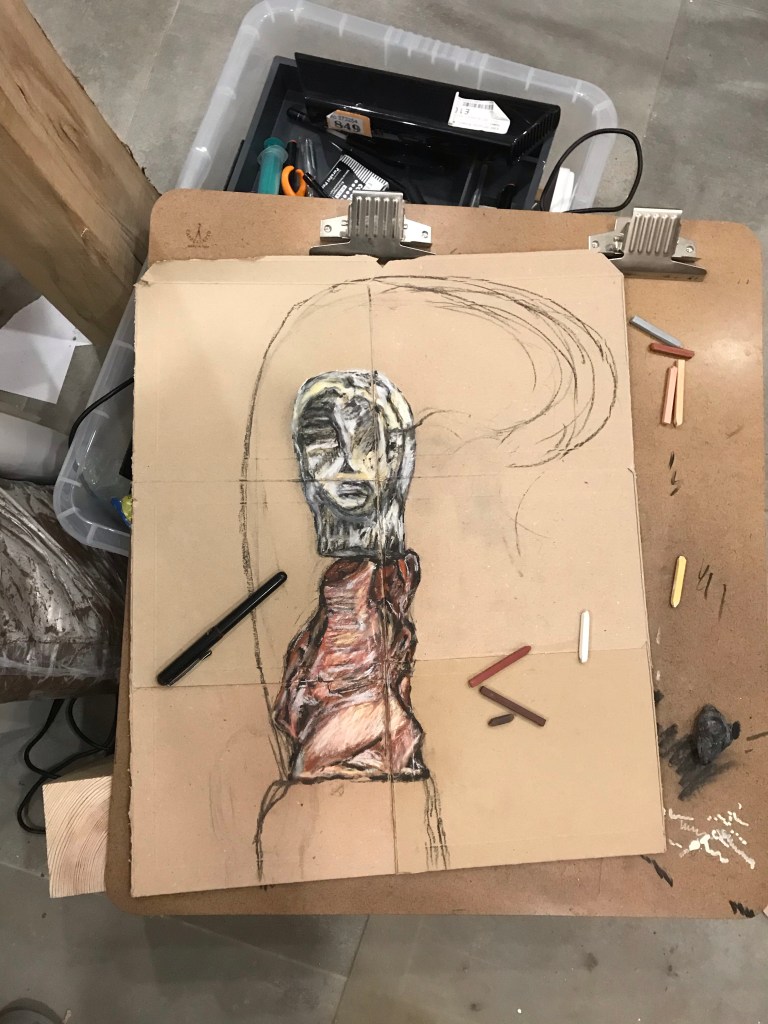
Finally I found some quiet time to finish drawing/ sketching this study. It is the biggest one yet using a ground of four Amazon card envelopes. It can be hard trying to convey brick, limestone and concrete with a limited chalk pallet but I think it works. . Stack study Chalk pastels, charcoal, ink and cardboard envelopes of an Amazon origin. . . . .
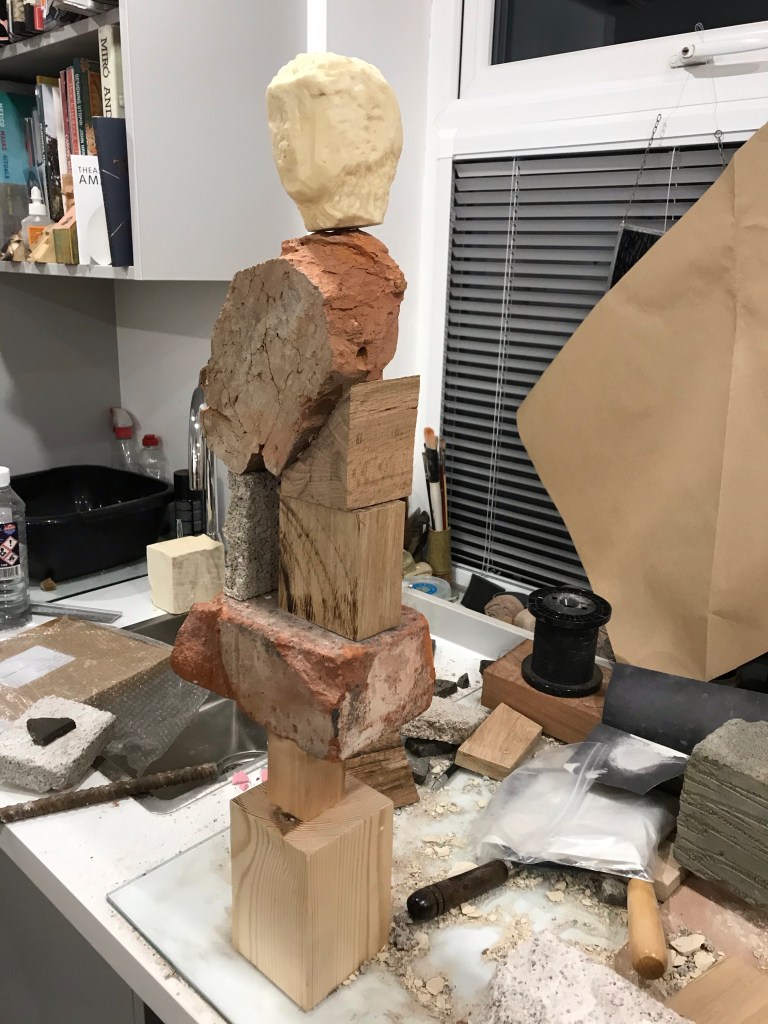
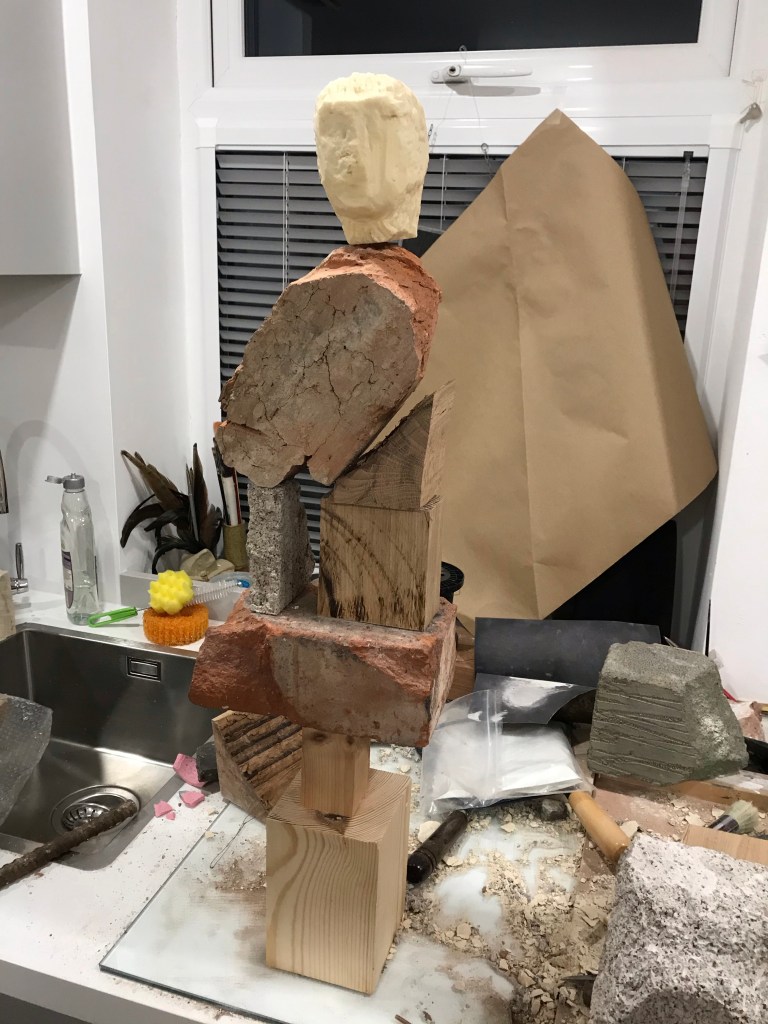
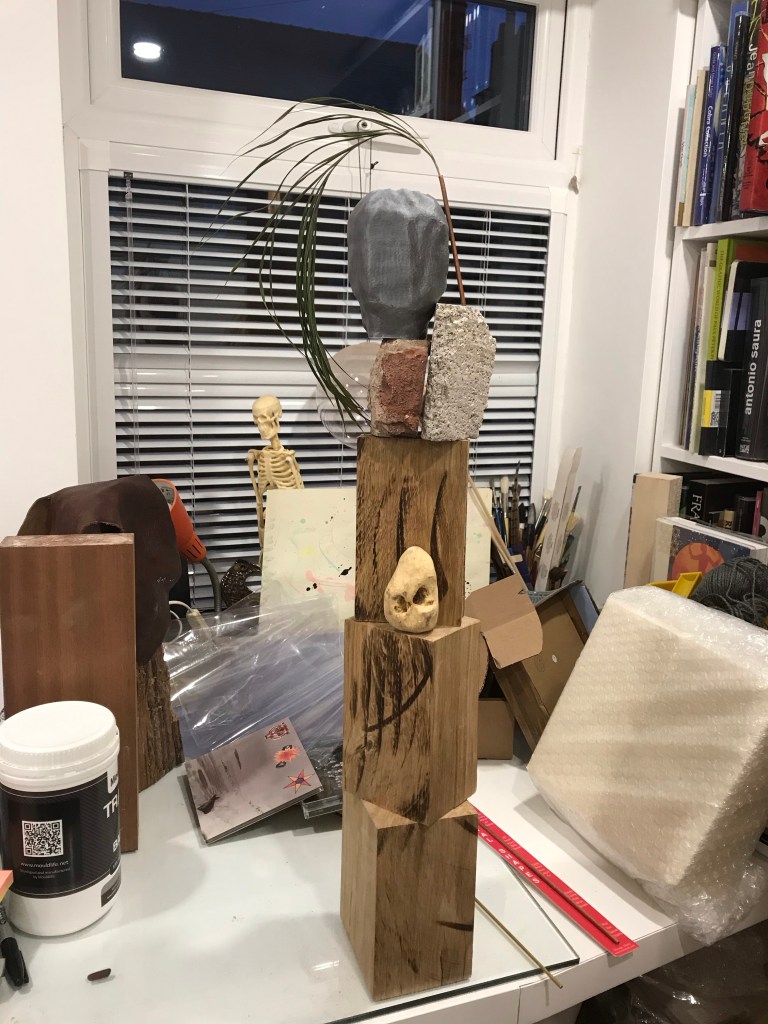
Hummm currently contemplating this composition. The head is a stand in as is the base block, it has some sort of harmony about it though which is what I like. A few more tweaks and I think it will be there. . . . .
The nearer this approaches the more in fear I am of it, yes I can talk the talk but do I really know what I’m doing? so far I have had quiet a few ideas of what I would like to present, but none of them have really been sound ideas, apart from what I’m currently thinking about.
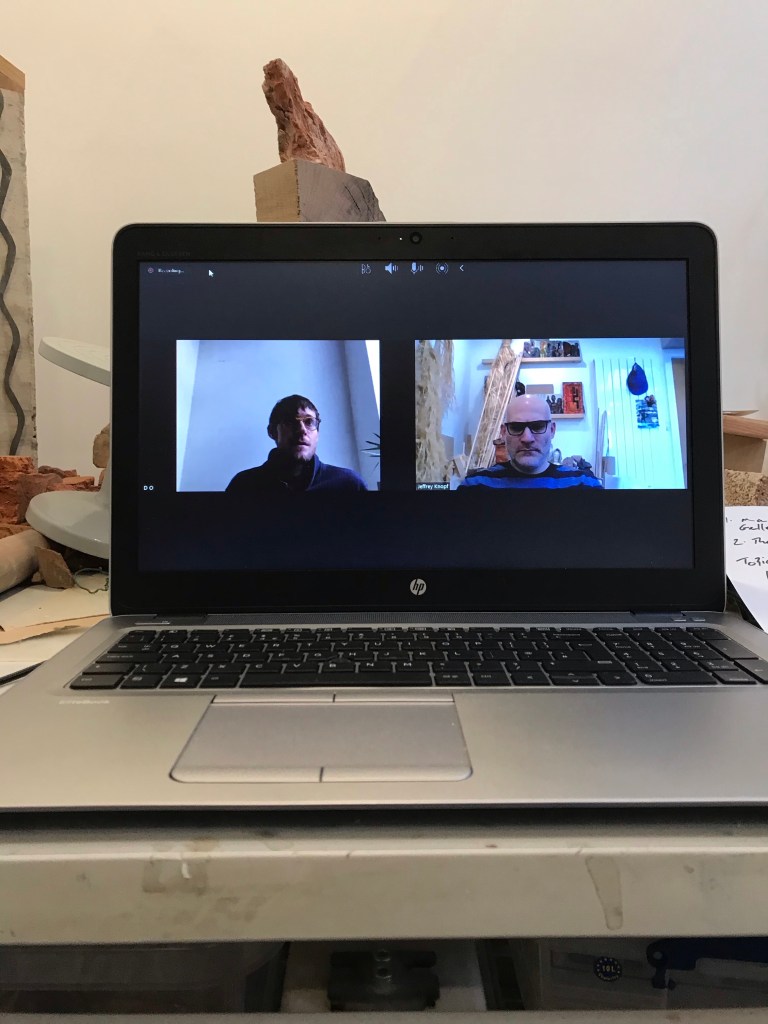
A big part of my work practice revolves around long term shared dialogues that I have with other artists / friends. Some of these dialogues have been continual for at least 20 years others have been running for shorter periods , what is important is how these conversations have maintained the same levels of interaction and consistency over the years. Thanks to ever changing technical landscape, originally they were phone conversations, but thanks to video technology on mobile phones and computers we are now able to converse and see each other, Which has helped to add another level to these discussions, as we are now able to show each other the projects we are working on.
The impact of video technology can not be underestimated, it has only been within this past year of lockdowns that its full potential has been realized. With the rise of video conferencing sites and with so many feeling disconnected with the real world, Video technology has helped bring people together, and enabled to keep businesses, universities, friendships and families connected.
The discussions we have are manly a sharing of ideas and theories about our individual art practices from printing, painting and sculpture. We also use these sessions as a form of problem solving, to expand our ways of approaching what we are working on, there are also very many cross overs in the subjects that we are working on and I’m sure that if we had an exhibition together these threads and links would come to the surface and be recognized. In many ways we use these sessions to validate what we are doing or striving to achieve within our own separate practices and mediums.
So what I propose is to do a video presentation involving two of my friends that I have these discussions with, they are Oliver Flude and David Orme, we have known each other for over 13 years. Our first meetings took place at the Hotbed Press in Salford whilst working on our individual print projects. These initial chance meetings have grown in to strong friendships manly through our video calls. I speak to Oliver at least twice a week and David every few weeks.
Some of the areas I will be discussing in our interviews are
An introduction as to how we got to know each other
The isolation of being an artist outside of a university or shared studio
How we have been able to keep connected through disconnection
How our practices have adapted and changed over the years
The knowing or unknowing influence we have had on each others work practice.
The impact of 3D printing on my current sculptures.
Following on from the initial writing of this I have now done the interviews, now for the mammoth task of editing three hours of conversation in to fifteen minuets. I have gone through the material and picked the main important bits, thankfully I have a friend who is going to help me edit this material over the next few days. I hope it runs well and does not come across as too self indulgent, both Olly and David were interested in talking about my current progress. Hopefully what will come across is our knowledge of each others work oh and that I have a lot of odd facial expressions

 The Art and musings of Jeffrey Knopf